



Owning a rental property involves more than finding tenants and collecting rent. Regular maintenance, responsible budgeting and attention to property safety can help landlords manage their properties more effectively.
Whether you own one buy-to-let home or several rental properties, understanding how to maintain your investment is an important part of property ownership. From plumbing issues and heating systems to routine inspections and contractor management, having a clear maintenance plan can make day-to-day responsibilities easier to organise.
In this guide, HMH Properties explores practical landlord property maintenance tips, common repair considerations and useful resources for UK property owners.
1. Why Is Property Maintenance Important for Landlords?
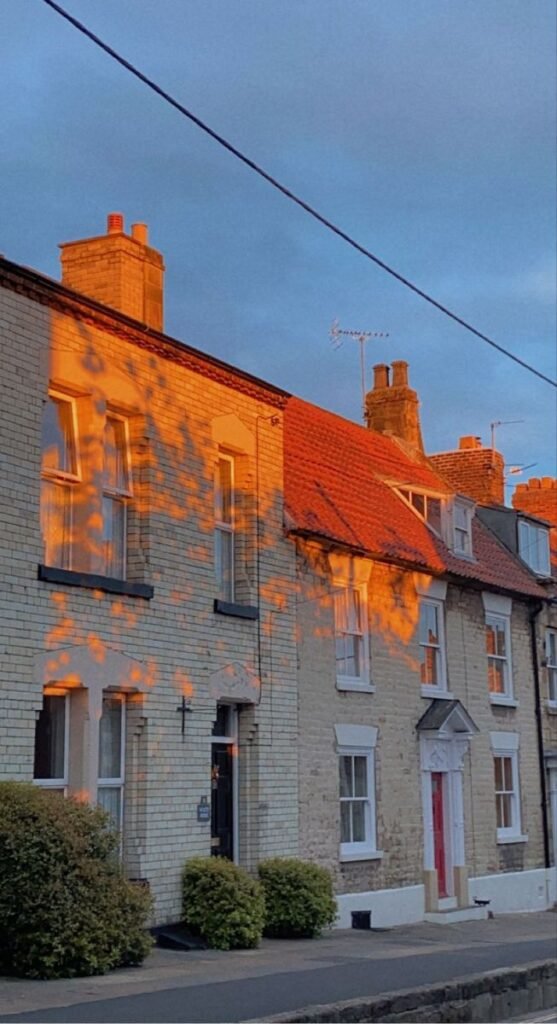
Regular property maintenance helps landlords monitor the condition of their buildings and identify problems that may require attention. Minor defects, such as a leaking tap or damaged window seal, can sometimes develop into more extensive issues if left unresolved.
Source: Pinterest
A practical maintenance approach can help landlords:
- Identify repair needs at an earlier stage.
- Plan expenditure more effectively.
- Maintain the property’s condition.
- Address tenant concerns promptly.
- Keep maintenance and safety records organised.
- Support a more consistent rental management process.
Maintenance needs vary depending on the property’s age, construction, location and previous repair history. Landlords should therefore assess each property individually rather than relying on a single maintenance schedule for every building.
2. Understand Your Landlord Maintenance Responsibilities
Landlords should familiarise themselves with the laws and safety requirements that apply to their rental properties. These responsibilities differ across England, Wales, Scotland and Northern Ireland.
Depending on the location and tenancy, obligations may include maintaining the property’s structure and essential installations, addressing relevant health and safety hazards, and arranging required inspections.
Source: Pinterest
For example, landlords in England generally have responsibilities relating to the structure and exterior of the property, water and sanitation installations, and heating and hot water systems. Other requirements may apply under separate legislation.
Important areas to review include:
- Repairs: Understand which repairs are the landlord’s responsibility under applicable law and the tenancy agreement.
- Gas safety: Where applicable, arrange required checks with a Gas Safe registered engineer.
- Electrical safety: Check the inspection, testing and remedial work requirements for the property.
- Fire safety: Review applicable alarm, escape route and other fire safety requirements.
- Property condition: Respond to defects and potential health hazards appropriately.
- Documentation: Keep relevant inspection reports, certificates and repair records.
Using a letting agent or property manager may help with the organisation of these tasks, but landlords should understand their own responsibilities and confirm which services are covered by any management agreement.
3. Create a Rental Property Maintenance Checklist
A maintenance checklist can help landlords organise routine checks and record issues that need professional attention.
Exterior checks
Consider inspecting the following where relevant:
- Roof tiles and visible roof damage.
- Gutters and downpipes.
- External walls and pointing.
- Window and door seals.
- External drainage.
- Fences, gates and access paths.

Source: Pinterest
Interior checks
Review the condition of:
- Taps, toilets and visible plumbing.
- Walls and ceilings showing signs of moisture.
- Windows, doors and locks.
- Heating and hot water systems.
- Ventilation and extractor fans.
- Relevant alarms and safety equipment.
Shared spaces
For properties with communal facilities, consider the condition of shared corridors, staircases, lighting, access routes and outdoor areas that fall within your responsibilities. The appropriate frequency of checks depends on the property and its circumstances. A visual inspection is not a substitute for a legally required safety inspection or assessment by a qualified professional.
4. Arrange Property Inspections Responsibly
Inspections can help landlords identify repair needs and review the general condition of a rental property. They can also provide an opportunity to discuss maintenance concerns with tenants.

Source: Pinterest
Useful occasions to assess the property may include:
- Before a tenancy begins.
- At reasonable intervals during a tenancy.
- When a tenant reports a repair issue.
- After significant maintenance work.
- Before a new tenancy begins.
For occupied properties, follow the tenancy agreement and applicable access rules. In England, GOV.UK guidance generally states that landlords should provide at least 24 hours’ notice before entering to inspect or carry out repairs, except where immediate access may be justified in an emergency. Requirements elsewhere in the UK may differ. Keep dated inspection notes and relevant photographs where appropriate. Explain the purpose of an inspection clearly and respect the tenant’s rights to privacy and lawful occupation.
5. Plan for Rental Property Maintenance Costs
Maintenance costs can vary significantly depending on the property’s condition, size, location and the type of work required. Rather than assuming that every rental property will have the same annual expenses, landlords can prepare a budget based on the property’s known maintenance history and likely future needs.

Source: Pinterest
Potential expenses include:
- Routine servicing and inspections.
- Plumbing and drainage repairs.
- Heating system repairs.
- Electrical maintenance.
- Roof and gutter repairs.
- Decorating and general upkeep.
- Emergency contractor visits.
- Larger repairs or equipment replacement.
It may be helpful to maintain separate records for routine repairs, unexpected work and planned improvements. Obtaining written quotes from appropriate contractors can help when comparing options and planning expenditure.
Landlords should also distinguish between repairs and improvements when reviewing tax matters. Their tax treatment can differ according to the nature of the work and the applicable rules.
No maintenance budget can guarantee that unexpected costs will be avoided. However, reviewing the property’s condition and keeping organised financial records can support more informed decisions.
6. Address Plumbing, Damp and Mould Concerns
Plumbing leaks, moisture and mould should be investigated appropriately because they may indicate a defect or a wider property condition issue.
Potential warning signs include:
- Persistent damp patches.
- Water stains on ceilings or walls.
- Leaking pipes or fixtures.
- Recurring mould growth.
- Damaged seals around baths or showers.
- Unusual moisture around windows.
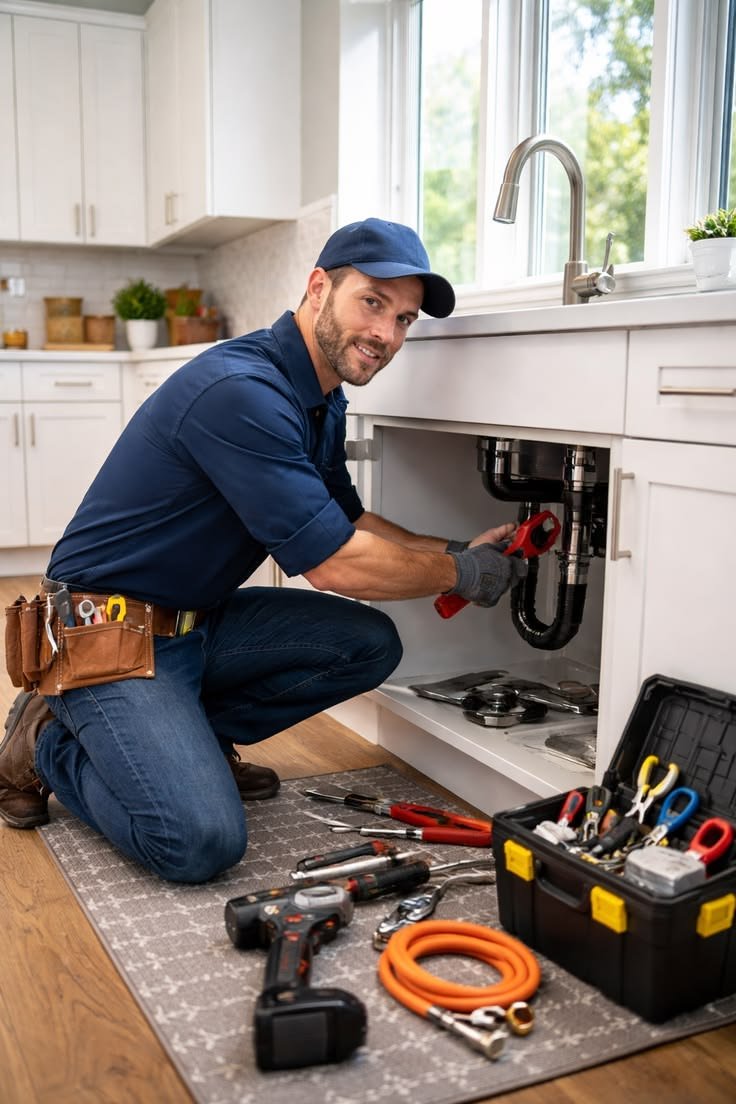
When a tenant reports a problem, establish the nature of the issue and arrange an appropriate assessment. Where necessary, use a qualified plumber, building professional or damp specialist to help identify the underlying cause.
Source: Pinterest
Do not assume that mould is always caused by tenant behaviour. Moisture problems can have several causes, including leaks, inadequate ventilation, condensation and defects in the building. Landlords should assess reported issues on their merits and take action in accordance with applicable legal obligations. The appropriate response will depend on the severity and cause of the problem.
7. Maintain Heating and Electrical Systems
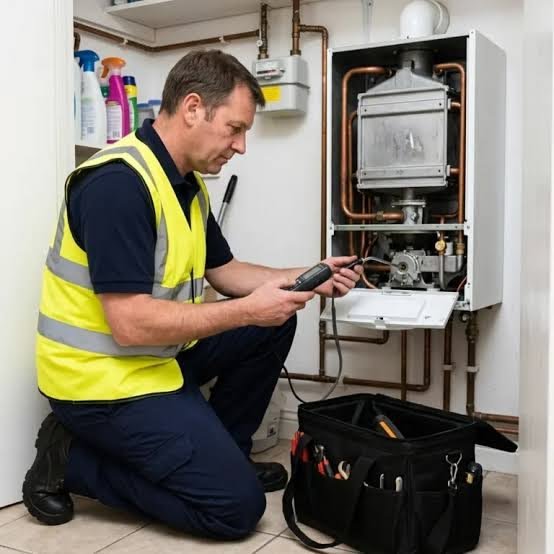
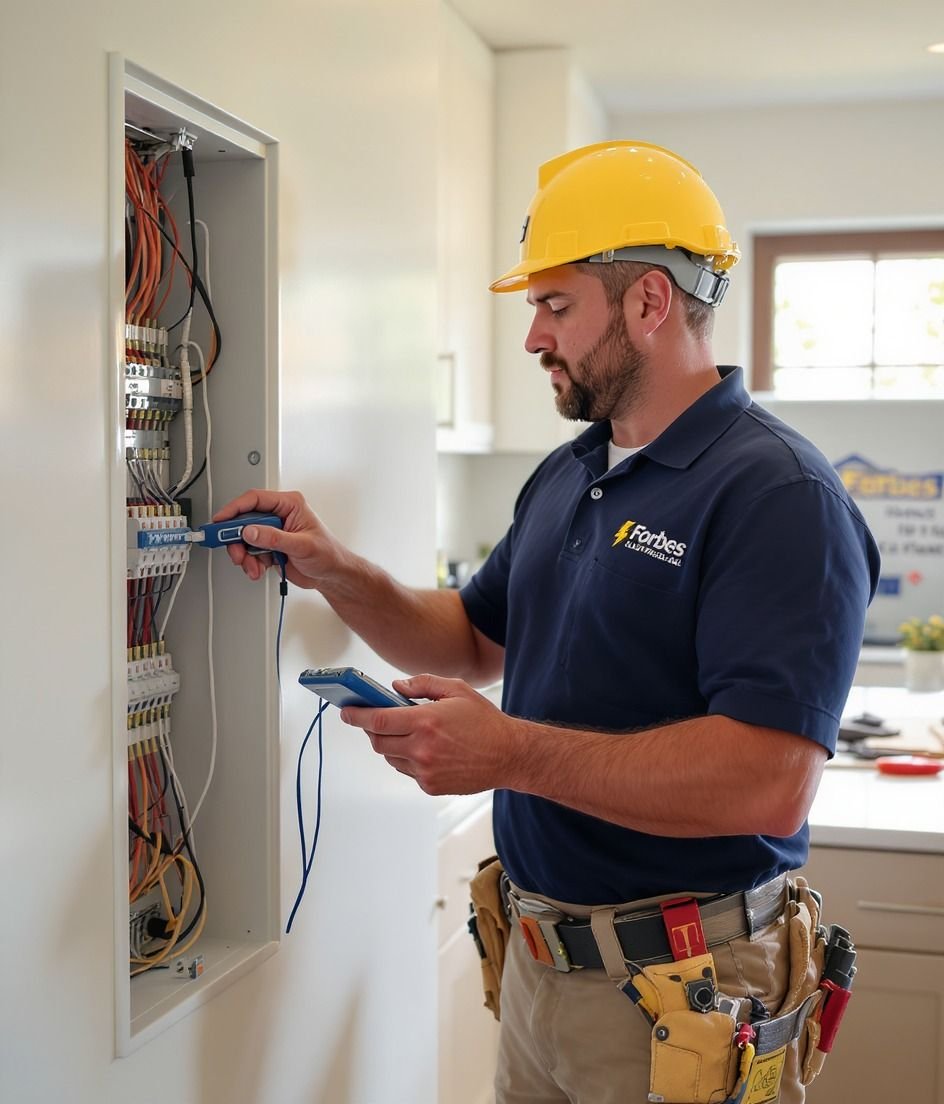
Heating and electrical installations are important parts of a rental property’s day-to-day operation and safety. Landlords should understand the maintenance requirements for the equipment and installations provided with their properties. These may include arranging servicing, responding to reported faults and obtaining required inspection reports.
Source: Pinterest
For gas appliances and flues covered by the relevant rules in the UK, landlords generally need to arrange annual gas safety checks with a Gas Safe registered engineer. Applicable records must also be maintained and provided within the required timeframes.
In England, qualifying private rented properties are generally subject to electrical installation inspection and testing requirements at least every five years, with exceptions and remedial requirements governed by the applicable regulations. Do not automatically apply England’s requirements to properties elsewhere in the UK.
When arranging work:
- Use appropriately qualified professionals.
- Keep relevant certificates and inspection reports.
- Follow recommendations for remedial work.
- Record repairs and servicing dates.
- Investigate reports of faults promptly.
8. Prepare for Urgent Property Repairs
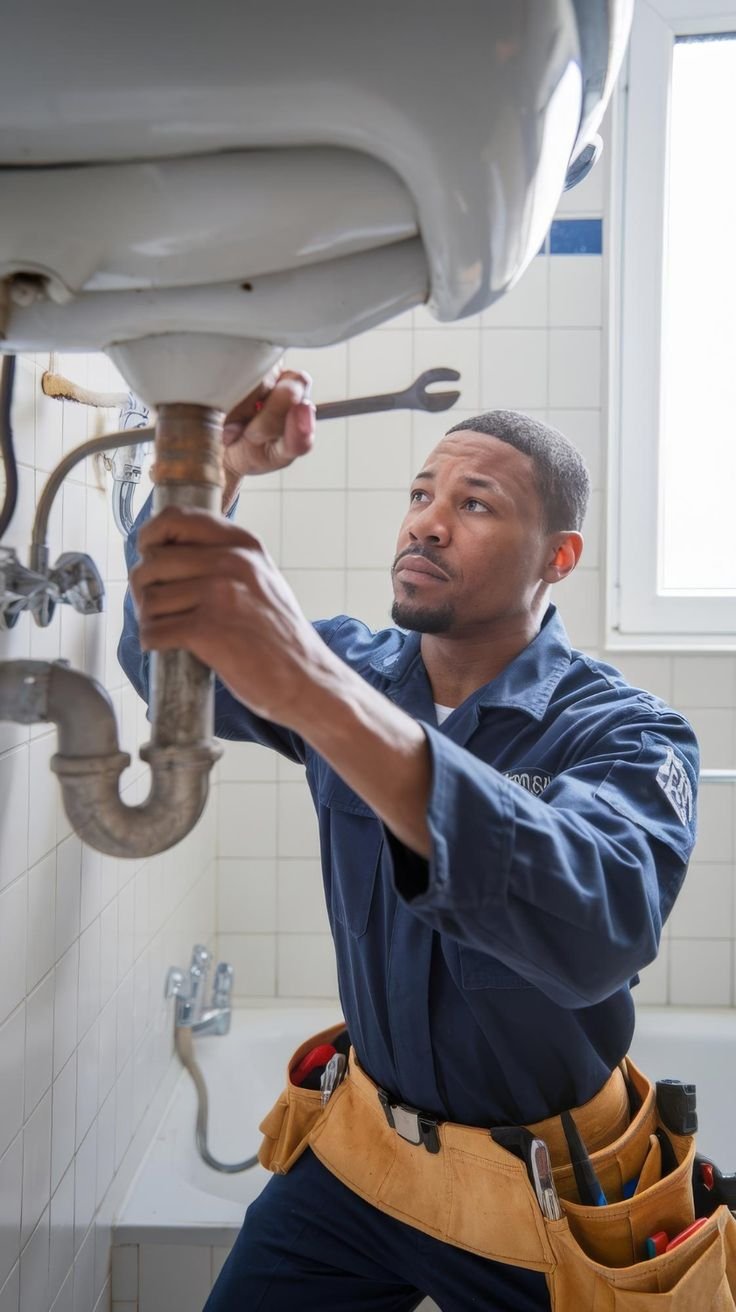
Some repair problems require a faster response than routine maintenance. Examples may include major water leaks, serious electrical faults, suspected gas leaks or damage that could threaten the safety of occupants. Landlords can prepare by establishing a clear process for receiving and responding to urgent maintenance reports.
Source: Pinterest
Consider:
- Giving tenants clear contact details for reporting faults.
- Keeping details for suitable contractors.
- Recording when an issue was reported.
- Understanding where relevant isolation controls are located.
- Keeping property and insurance information accessible.
- Arranging appropriate professional assistance.
The urgency of a repair depends on the circumstances. Problems that create an immediate risk to life or safety should be handled through the appropriate emergency services or specialist emergency providers. For suspected gas leaks, follow the relevant gas emergency guidance and avoid attempting repairs yourself.
A documented process can help landlords coordinate responses, although the appropriate action and timeframe will depend on the nature of the problem and the applicable obligations.
9. Choose Suitable Property Maintenance Contractors
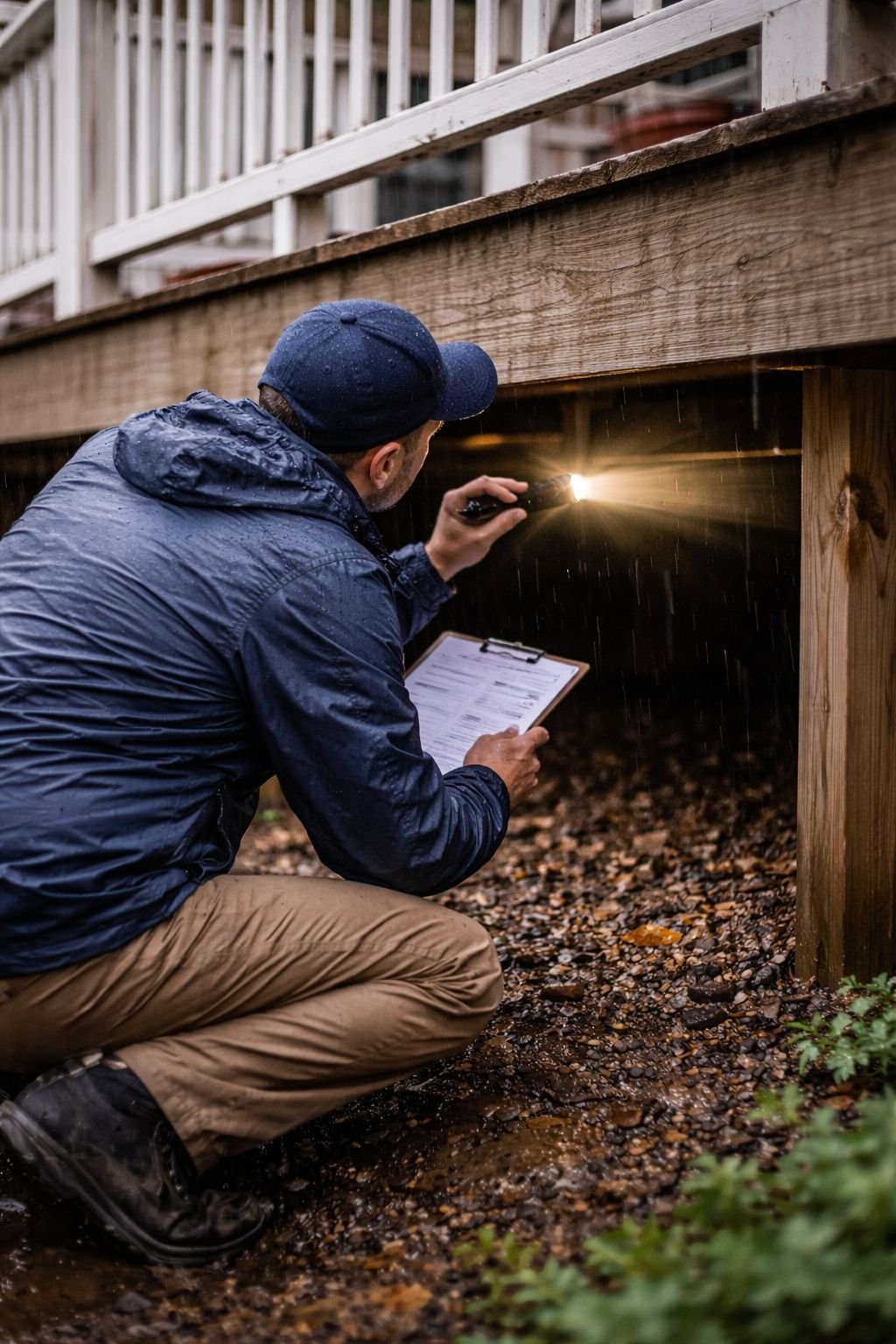
Finding a suitable contractor involves considering more than the quoted price. The contractor’s experience, qualifications and proposed scope of work can all affect the suitability of the service.
Before appointing a contractor, consider checking:
- Relevant qualifications or registrations.
- Experience with similar properties.
- Appropriate insurance.
- A written quote and description of the work.
- Estimated completion times.
- Relevant warranties or guarantees.
- References or evidence of previous work.
For regulated work, verify the qualifications or registration required for the specific task. For example, applicable gas work should be carried out by an appropriately registered Gas Safe engineer.
Source: Pinterest
For larger projects, comparing written quotes may help you understand the differences in proposed materials, labour and timescales. Keep invoices and reports after the work is completed. If a defect returns or additional work is needed, these documents can help explain what was previously carried out.
10. Consider Professional Rental Property Management
Managing maintenance can require considerable organisation, particularly when a landlord owns several properties or has limited time available. A professional property manager or letting agent may be able to assist with certain tasks, depending on the services agreed.
These services may include:
- Receiving maintenance reports from tenants.
- Coordinating contractor appointments.
- Arranging property inspections.
- Tracking outstanding repair requests.
- Organising relevant documentation.
- Providing updates on maintenance expenditure.
Before appointing an agent, review the service agreement carefully. Ask about management fees, additional repair-coordination charges, contractor selection and the process for approving unexpected expenditure.

Source: Pinterest
The scope of a management service varies between providers. Landlords should confirm what is included rather than assuming that every maintenance or compliance task will be handled automatically. Professional management may be useful for some landlords, but its suitability depends on the property’s needs, the landlord’s circumstances and the terms of the agreement.
Visit : https://hmhproperties.uk/hmh-properties/
11. Keep Property Maintenance Records Organised
Keeping clear records can make it easier to monitor outstanding work, review recurring problems and understand maintenance expenditure.
Depending on the property and its requirements, records may include:
- Inspection reports and dated photographs.
- Tenant repair requests and correspondence.
- Contractor quotes and invoices.
- Gas safety records.
- Electrical inspection reports.
- Relevant alarm and safety documentation.
- Equipment servicing details.
- Warranties and guarantees.
- Records of completed repairs and follow-up work.

Source: Pinterest
A spreadsheet or property management system can help landlords track outstanding repairs and upcoming checks. Reviewing records periodically may also reveal recurring problems. For example, repeated repairs to the same system may justify obtaining a professional assessment of its overall condition.
Keep personal information secure and retain documents for appropriate periods in accordance with applicable requirements.
12. Take a Long-Term Approach to Property Maintenance
A planned approach can help landlords consider both immediate repairs and the property’s longer-term maintenance needs. Useful steps include reviewing the property’s condition, identifying upcoming work, obtaining professional advice where necessary and allocating funds for foreseeable expenditure.

Source: Pinterest
When several issues need attention, consider their urgency, potential safety implications, legal requirements and the risk of further damage. Cosmetic work may be scheduled differently from a defect that affects safety or essential services. Regular maintenance does not guarantee a particular rental return or increase in market value. Property performance depends on many factors, including market conditions, location, demand and ownership costs.
However, keeping a property in suitable condition and dealing with repair issues responsibly are important elements of managing a rental investment.
Conclusion
Property maintenance is an ongoing part of responsible rental property ownership. A clear plan can help landlords organise inspections, address repair concerns, manage expenditure and maintain appropriate records. The most suitable approach depends on the property, its condition, the landlord’s circumstances and the legal requirements that apply in its location.
By staying organised, using qualified professionals where necessary and consulting reliable guidance, landlords can make better-informed decisions about maintaining their properties.
Explore more property guidance with HMH Properties to support your understanding of the UK property market and rental property ownership.


Leave a Reply