



Buying a property involves more than saving for a deposit. Alongside the agreed purchase price, buyers may need to budget for legal services, mortgage-related fees, property surveys, insurance, moving expenses and ongoing household costs.
Understanding these potential expenses before making an offer can help you plan your budget and avoid unexpected financial pressure.
In this guide, HMH Properties explains the main costs to consider when buying a home in the UK in 2026. The costs involved will vary depending on the property, mortgage product, location and individual circumstances.
1. Stamp Duty and Property Purchase Taxes
One of the first costs to investigate is the property transaction tax that may apply to your purchase.
In England and Northern Ireland, this is generally called Stamp Duty Land Tax (SDLT). The amount payable depends on factors including the purchase price, whether you qualify for relief and whether higher rates apply.

Some eligible first-time buyers may qualify for first-time buyer relief. Buyers purchasing an additional residential property may be subject to higher rates, depending on their circumstances.
Property taxes differ across the UK:
- England and Northern Ireland: Stamp Duty Land Tax (SDLT).
- Scotland: Land and Buildings Transaction Tax (LBTT).
- Wales: Land Transaction Tax (LTT).
Do not assume that the same thresholds or rates apply throughout the UK. Check the relevant official guidance before calculating your budget.
2. Conveyancing and Solicitor Fees
Conveyancing is the legal process involved in transferring property ownership from seller to buyer.
You will generally need a solicitor or licensed conveyancer to handle the legal work associated with your purchase. Their responsibilities may include reviewing the contract, carrying out legal checks, communicating with the seller’s representative and managing the completion process.

Your total legal bill may include:
- The solicitor’s or conveyancer’s professional fee.
- Property searches.
- Land Registry-related charges.
- Bank transfer or administration charges, where applicable.
- VAT on services where applicable.
The final amount depends on the property, the provider and the complexity of the transaction. Leasehold properties and purchases involving additional legal requirements may incur different charges.
Practical tip: Request a written, itemised quote and check which expenses are included and which are charged separately.
3. Mortgage Arrangement and Application Fees
If you are using a mortgage to purchase your property, check the costs associated with the mortgage product before applying.

Depending on the lender and product, possible charges include:
- Mortgage arrangement or product fees.
- Mortgage booking or application fees, where applicable.
- Mortgage adviser or broker fees, if charged.
- Valuation fees, depending on the lender’s terms.
- Early repayment charges or other conditions relevant to the product.
Some mortgage products have no arrangement fee, while others charge a fee in return for particular interest-rate or product terms. A product with a lower interest rate is not necessarily the least expensive option overall.
Compare the total cost over the period relevant to you, including fees and the mortgage terms. Review the lender’s documentation and seek qualified mortgage advice if you need help assessing your options.
4. Property Survey Costs
A property survey can help you understand the property’s condition before committing to the purchase.
The appropriate type of survey depends on factors such as the property’s age, construction, apparent condition and your concerns as a buyer.

Possible options include:
- A basic condition report, where available.
- A more detailed home survey.
- A building survey for properties that may require a more extensive inspection.
Survey prices vary according to the property, the level of inspection and the surveyor. A survey may identify issues that need further investigation, although it cannot guarantee that every defect will be discovered.
Before booking: Confirm the survey’s scope, price, exclusions and whether any specialist inspections may be recommended.
5. Mortgage Valuation and Property Valuation
A mortgage lender may require a valuation to help assess whether the property provides suitable security for the proposed loan.
This valuation is not necessarily the same as a detailed survey for the buyer’s benefit. Its purpose, scope and limitations depend on the lender’s process.

The lender may cover the valuation cost, include it within a mortgage product or charge a separate fee. Check your mortgage offer and lender’s terms rather than assuming it will be free.
If you want a more detailed assessment of the property’s physical condition, ask whether an independent survey is appropriate.
6. Property Searches and Land Registry Charges
During conveyancing, your legal representative may arrange searches and checks relevant to the property.
These may include local authority searches, water and drainage searches, environmental searches and other checks where appropriate.

The purpose is to identify information that could affect the property or its use. The searches required depend on the property and transaction.
You may also need to pay applicable Land Registry fees when ownership is registered. These charges depend on the nature of the application and the circumstances of the transaction.
Ask your conveyancer for an estimate of these disbursements and confirm whether they are already included in your legal quote.
7. Buildings and Contents Insurance
Insurance is another expense to consider when planning a property purchase.
Buildings insurance covers specified risks affecting the structure of a property, subject to the policy’s terms and exclusions. Contents insurance relates to belongings inside the home.
Your insurance needs may depend on the type of property, your mortgage conditions and whether you are buying a freehold or leasehold home.

For some leasehold properties, buildings insurance may be arranged through the freeholder or management company, with the cost recovered through service charges. Check the lease and relevant documents to understand how cover is arranged.
Compare policies carefully. Premiums, excesses, exclusions and levels of cover can differ between providers.
8. Removal and Moving Costs
Moving expenses can vary considerably depending on how far you are moving, the amount of furniture you have and whether you use a professional removal company.

Potential expenses include:
- Professional removal services.
- Packing materials and boxes.
- Temporary storage.
- Transport or van hire.
- Furniture delivery or assembly.
- Cleaning before or after moving.
Obtaining quotes in advance can help you plan. Check whether the quoted service includes packing, dismantling furniture, insurance and any additional charges.
If you intend to move yourself, remember to account for vehicle hire, fuel, equipment and the time required.
9. Repairs, Maintenance and Essential Improvements
A property’s purchase price does not necessarily reflect the amount you may need to spend after moving in.
Depending on the property’s condition, potential expenses could include decorating, replacing worn flooring, repairing plumbing, updating appliances or addressing issues identified by a survey.

Older properties may require additional investigation or specialist work. However, the likely cost and urgency of any repairs should be assessed on the available evidence rather than assumed from the property’s age alone.
Consider keeping a contingency in your budget for unexpected work. If a survey identifies a significant concern, obtain appropriate professional advice and quotations before deciding how to proceed.
10. Leasehold Service Charges and Ground Rent
If you are buying a leasehold property, review the lease and relevant management information carefully.
Depending on the property and the applicable arrangements, you may need to budget for:
- Service charges for shared areas and building management.
- Contributions to a reserve or sinking fund.
- Ground rent, if payable under the lease.
- Administration or management-related charges where applicable.
- Major works or other costs allocated under the lease.
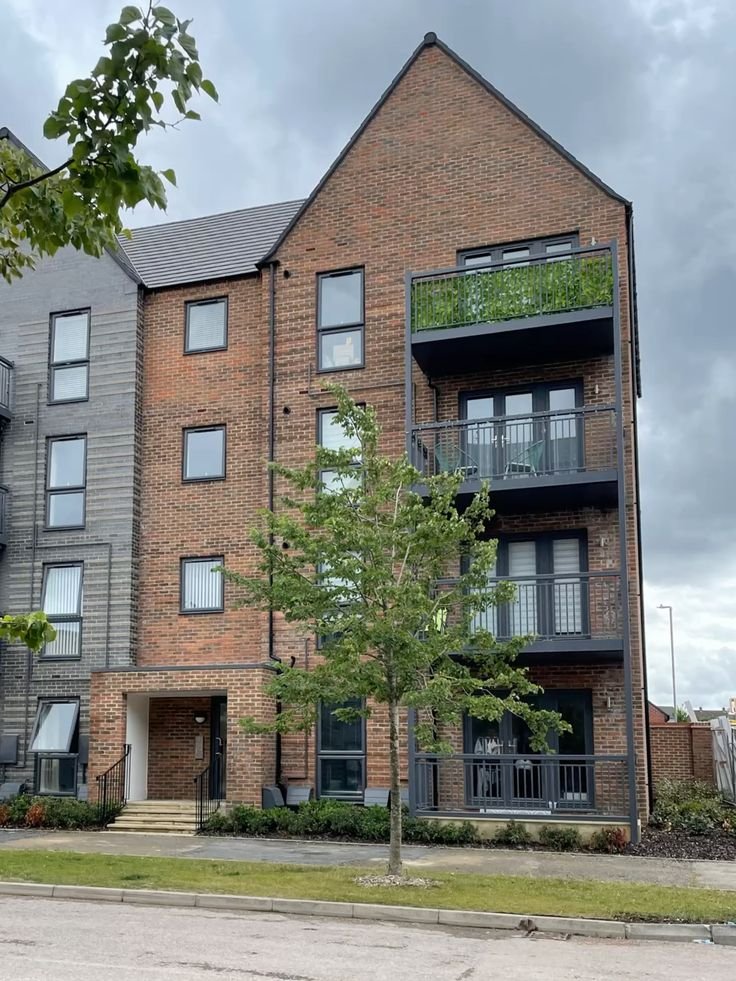
The amount payable and the rules governing these costs depend on the lease, the property and the relevant law. Do not assume that all leasehold properties have the same charges or obligations.
Before exchanging contracts, ask your conveyancer to explain the charges, payment arrangements, any known proposed major works and any relevant restrictions or obligations.
11. Council Tax, Utilities and Household Bills
Once you move in, you will need to account for regular household expenses.
These may include council tax, electricity, gas, water, broadband and other services. The amounts depend on factors such as the property, local authority, household usage and the tariffs available to you.

Check the relevant local authority’s council tax information and ask utility providers about their available tariffs. If you are moving from rented accommodation or another home, remember to plan for the final bills at your previous address as well.
It can be helpful to prepare a monthly household budget before deciding how much you can comfortably afford to spend on a property.
12. Mortgage Protection and Other Optional Financial Products
You may be offered insurance or other financial products during the mortgage process. These could include life insurance, income protection or other forms of cover.
Such products have different purposes, eligibility requirements, exclusions and costs. They are not all compulsory, and whether a particular policy is suitable depends on your circumstances and the terms of your mortgage.
Review the details carefully and consider taking advice from an appropriately qualified professional before purchasing financial products.
Do not confuse optional protection products with buildings insurance or any specific requirement set out in your mortgage offer.
13. Costs First-Time Buyers Should Consider
First-time buyers may have additional planning considerations because they are purchasing a property for the first time.
In addition to the deposit and any applicable property tax, allow for legal fees, surveys, mortgage-related charges, insurance and moving expenses.
Eligible first-time buyers in England and Northern Ireland may qualify for SDLT relief, subject to the relevant conditions and purchase-price limits. Eligibility should be checked against current HMRC guidance rather than assumed.
It is also sensible to consider the costs of furnishing the property, setting up household accounts and maintaining an emergency fund after completion.
14. How to Prepare a Property Buying Budget
A realistic budget should account for both the purchase itself and the costs that arise around completion.
Before making an offer, consider preparing a checklist covering the following:
- Deposit and any mortgage funds required.
- Property transaction tax, if applicable.
- Conveyancing fees and disbursements.
- Mortgage product and adviser fees, if applicable.
- Survey and valuation costs.
- Buildings and contents insurance.
- Removal and storage expenses.
- Any immediate repairs or essential purchases.
- Leasehold charges, where relevant.
- Initial household bills and a contingency for unexpected expenses.
Obtain quotes wherever possible and confirm which costs are fixed, estimated or dependent on the outcome of checks.
You can also use the relevant official tax calculator or guidance to estimate property taxes, but a calculator result should be checked against the details of your transaction.
Frequently Asked Questions
What are the hidden costs of buying a house in the UK?
Potential additional costs include property transaction taxes, conveyancing, mortgage fees, surveys, searches, insurance, moving expenses and initial repairs. The costs that apply will depend on your purchase and personal circumstances.
Are mortgage fees included in the deposit?
Not necessarily. Mortgage-related charges may be payable separately, added to the loan where the lender permits, or included in a particular product arrangement. Check the lender’s terms and your mortgage offer.
Do I need a property survey when buying a house?
The type of inspection you choose is a decision to make based on the property and your circumstances. A survey may help identify defects or areas requiring further investigation. Discuss suitable options with a qualified surveyor and review any relevant mortgage requirements.
How can I estimate the total cost of buying a property?
Start with the purchase price and deposit, then obtain estimates for legal work, mortgage-related charges, surveys, tax, insurance and moving costs. Include any property-specific expenses and allow for unexpected costs. A solicitor or conveyancer can help clarify transaction expenses, while a qualified mortgage adviser can explain mortgage-related costs.
Final Thoughts: Plan Your Property Purchase With Confidence
Buying a home is a significant financial commitment. Understanding the costs beyond the purchase price can help you prepare a more realistic budget and make informed decisions throughout the process.
Before committing to a purchase, check official tax guidance, obtain written quotations from relevant professionals and review the property’s legal and co455tttndition information carefully.
Looking for a property in Blackburn or the surrounding area? HMH Properties can help you explore available properties and discuss your property search.
Visit HMH Properties to browse listings or contact the team to discuss your requirements.


Leave a Reply